



Vdvelde Home
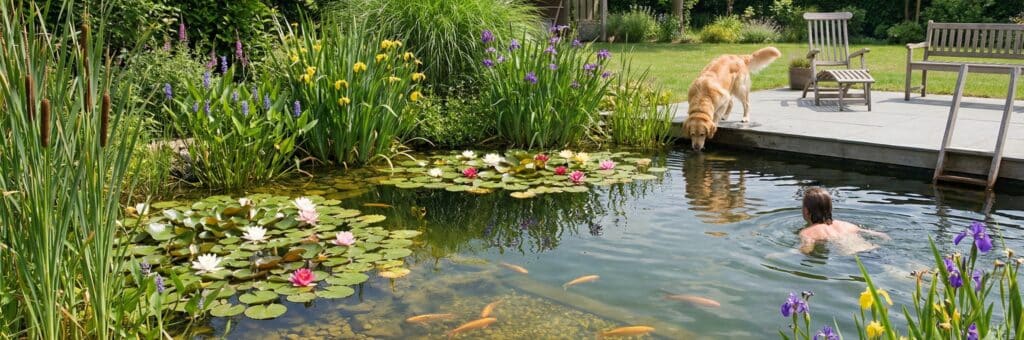
Clear water, 100% natural, without a pump or filter

More than 100,000 ponds have been cleaned up
Everything you need for a natural pond
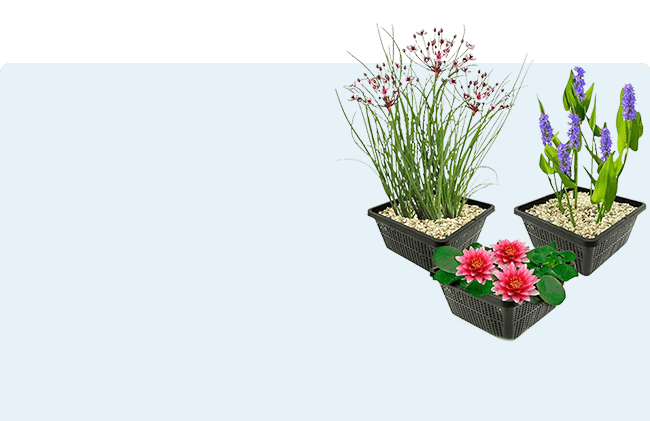
Pond Plants
Plants, kits, and supplies
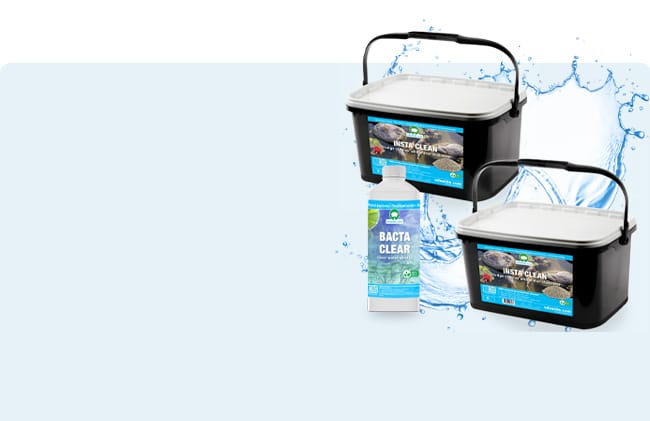
Pond Maintenance
Bacteria, sludge removers, and algae control
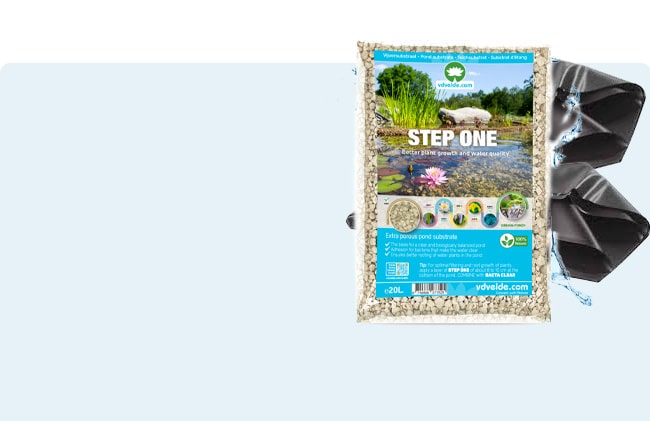
Pond Construction
Substrate, plant filters
, and more
Delivered when it's convenient for you
From our own organic nursery since 1986
Clear water with our 6-step plan

4.5/5 (3,218 reviews)
Onze bestellers
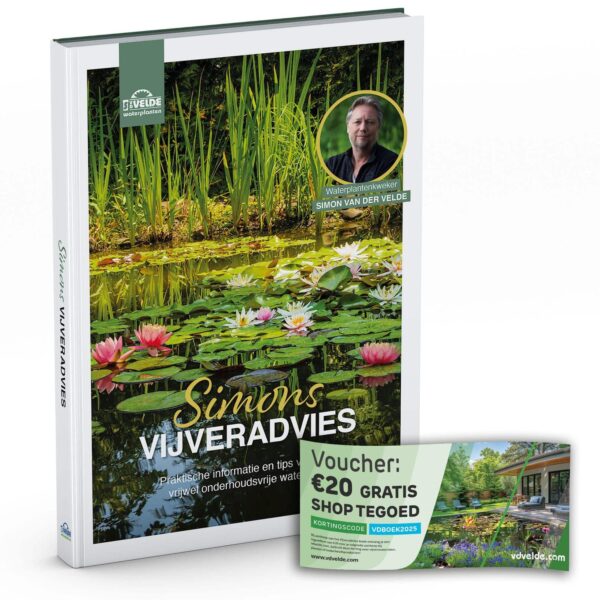
Simons Pond Advice
• Get a €20 gift after purchase
• Choose your language: NL, DE, FR EN
• From installation to maintenance
In stock

POND CARE Maintenance Kit 20,000 L
• All-in-one pond maintenance
• 100% eco-friendly: for 1,000–20,000 L
• Safe for people, plants, and animals
Order 2 packages at once (for spring + fall) and receive a free BLOOM BOOST worth €15
In stock
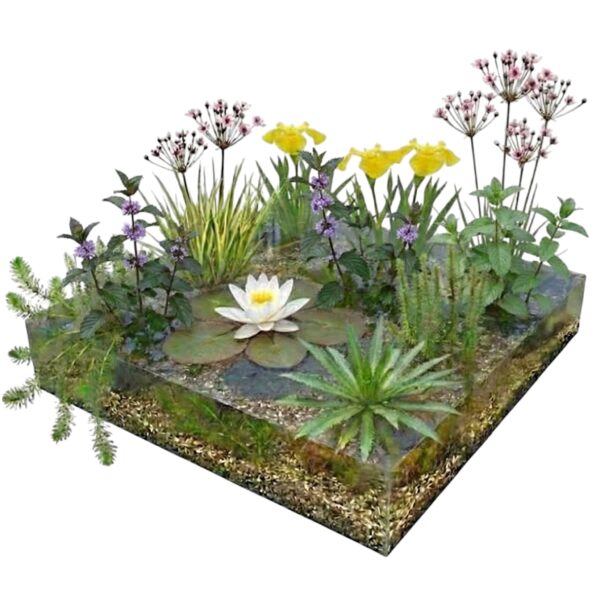
Complete Native Pond Kit3.000
• Makes your pond maintenance-free
• 116 plants + supplies
• Installation:1 to100
In stock
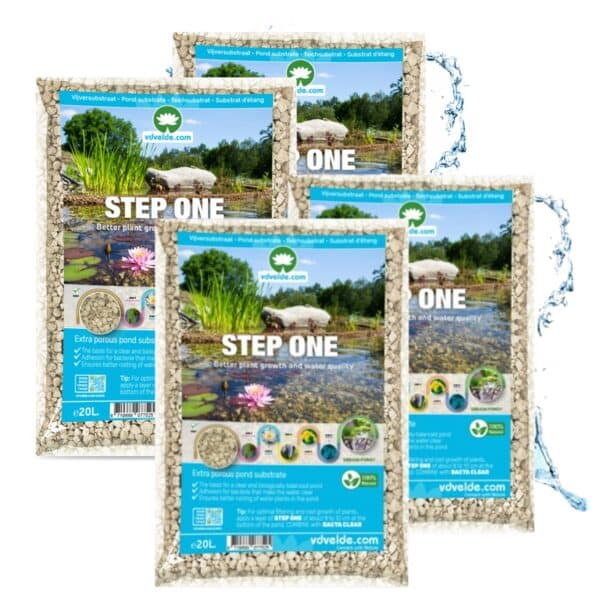
STEP ONE Pond substrate
• Heavy-duty quality: maximum filtration
• Extra porous for optimal plant growth
• 80L of substrate covers 1m² with a 10 cm layer ↥
In stock
6 Essentials for a Low-Maintenance Pond
1. Filter bed
2. Algae Control
3. Protection

4. Water Treatment
5. Balance

6. Clear water
Proven results in real-world applications
From murky water to crystal-clear ponds—this is what our customers experience
Clear water
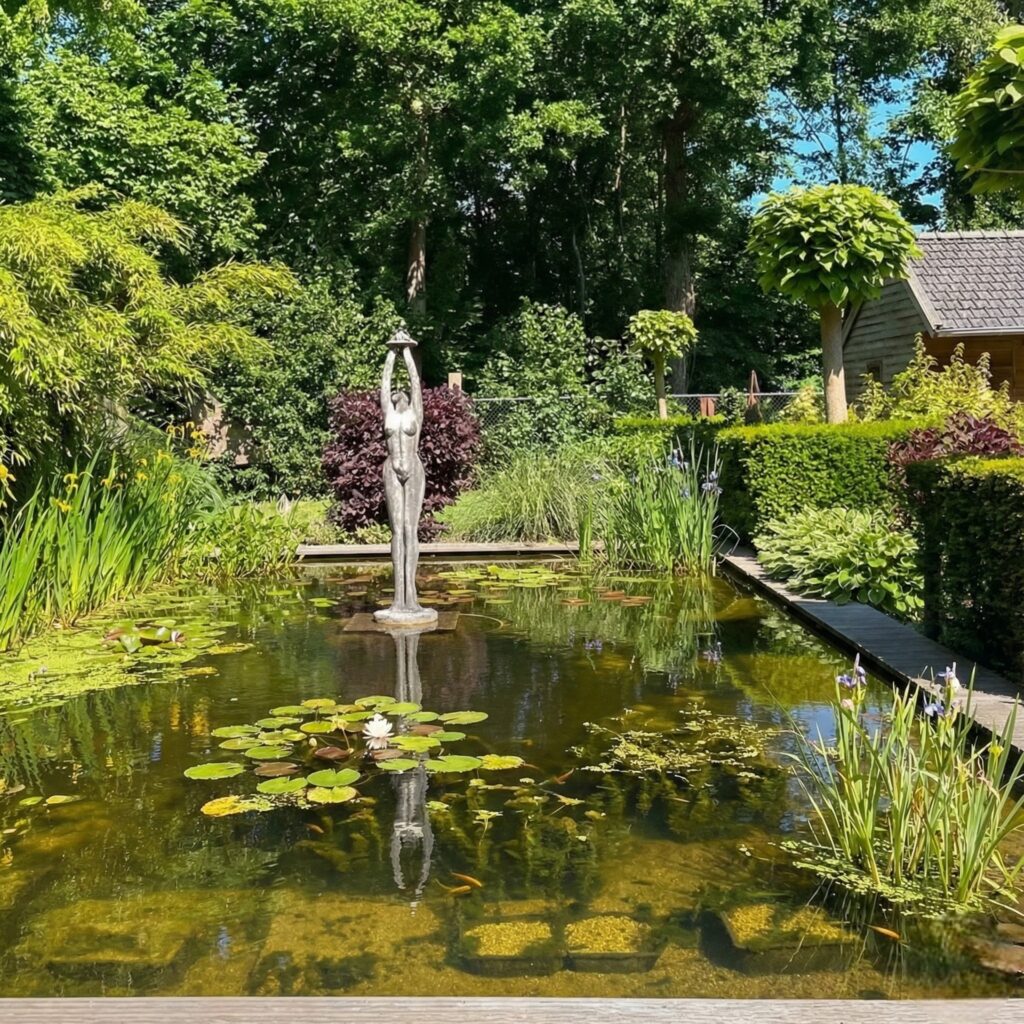
“After four weeks, the water was crystal clear and the fish are more active than ever.”
– Lars M.
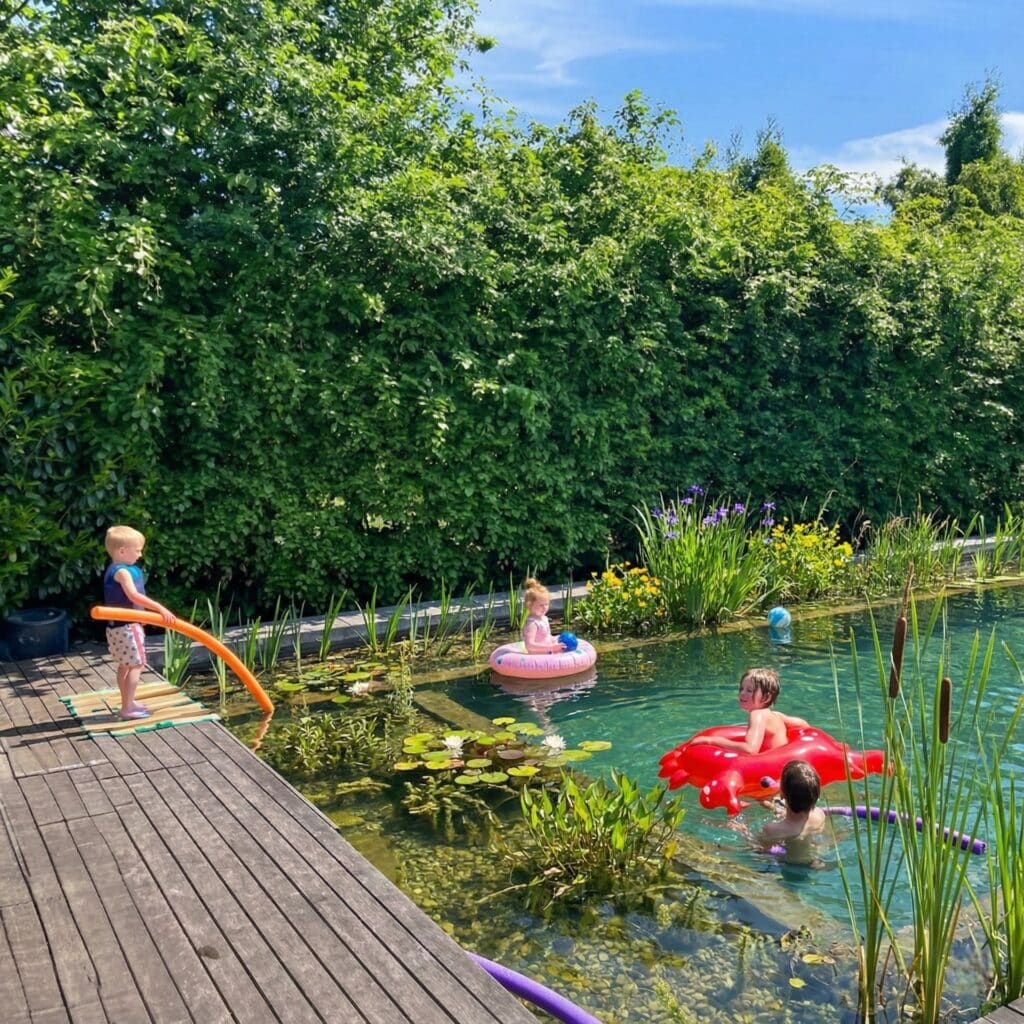
Maintenance-free fun
“Our swimming pond stays clean and clear, even in the middle of summer.”
– Sophie & Daniel
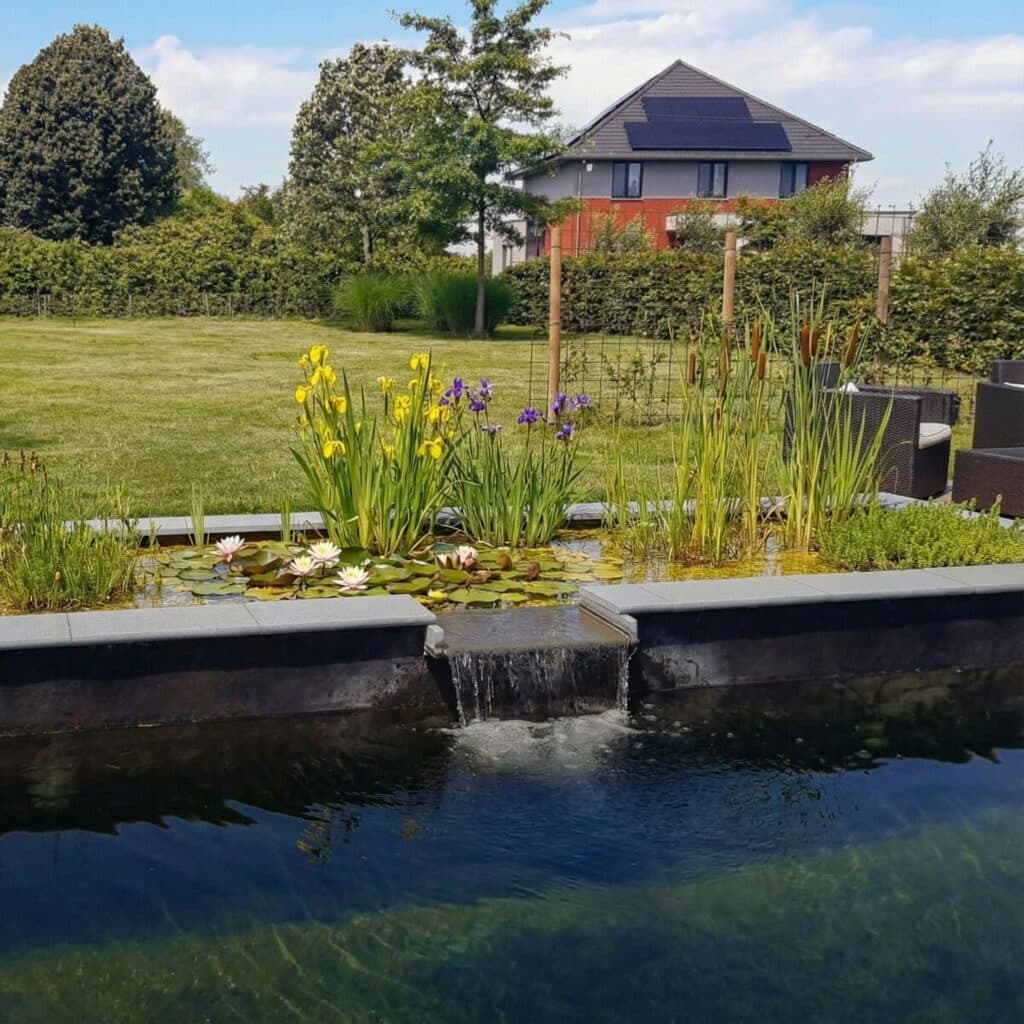
No more algae
“The plant filter works great. Simple, natural, and no algae problems.”
– Marc T.
Simons Pond Advice
Save hundreds of dollars on your pond
Whether you want to build, maintain, or plant a pond, Simon’s tips will help you save money and create a beautiful pond that you can enjoy for years to come.
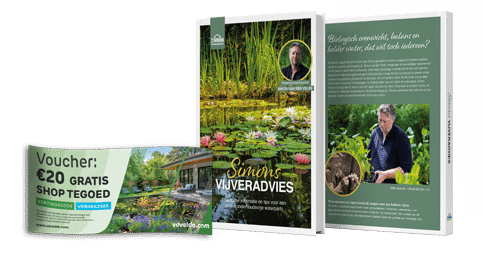

Advice from our pond specialists
Tips for a clear pond
Our experts will assist you personally

Honest and expert advice
Frequently Asked Questions About Ponds
Yes, a pond can function perfectly well without a pump or filter, provided it is set up correctly. The secret lies in a natural balance, where the right substrate, plants, and bacteria do all the work.
Important requirements for a pond without a pump and filter:
-10 cm of porous Pond substrate the bottom
This ensures strong rooting of Aquatic plants provides a large surface area where beneficial bacteria can attach themselves.
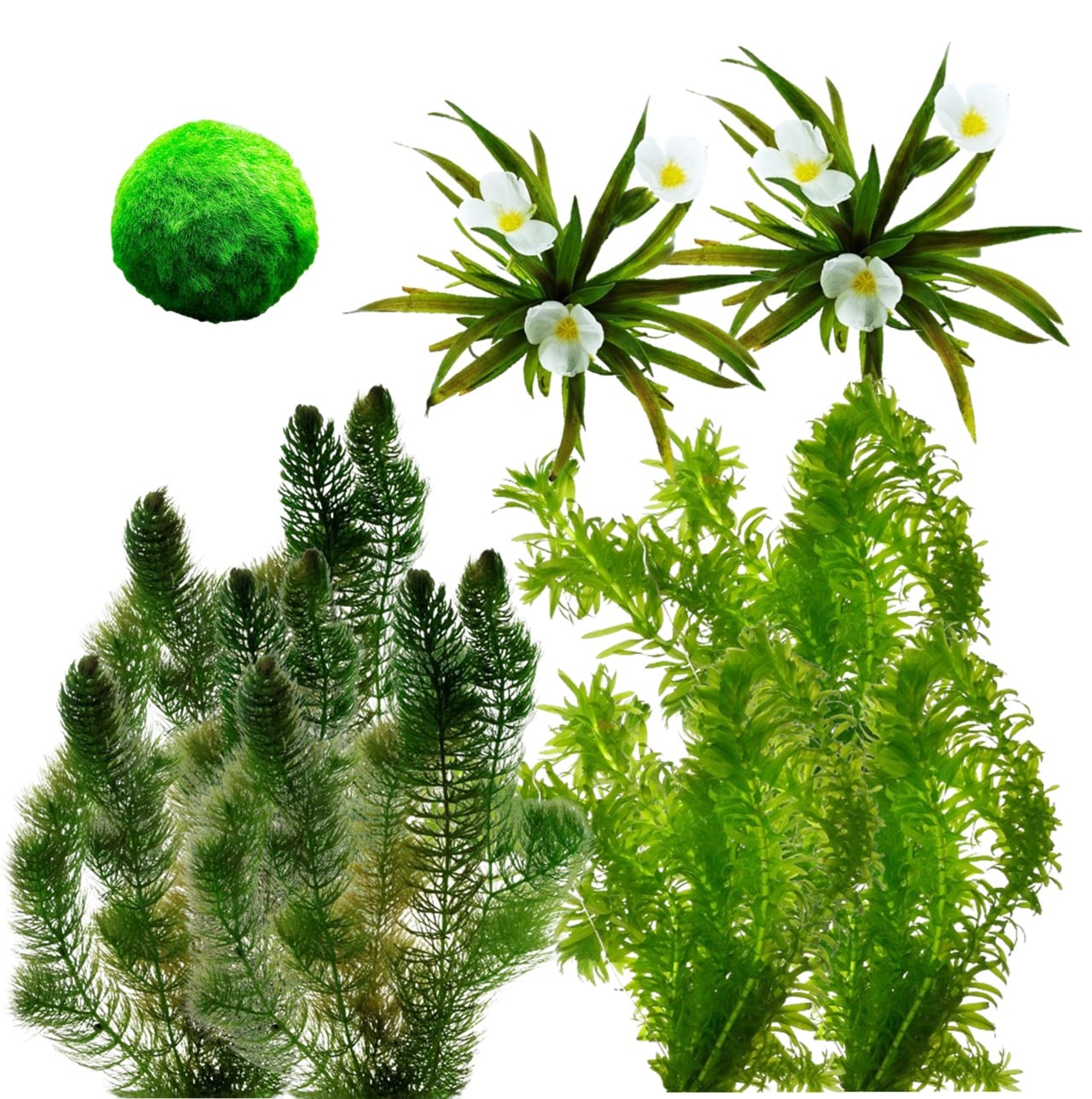
-Oxygenating plants
Produce oxygen and absorb nutrients, preventing algae from taking hold.
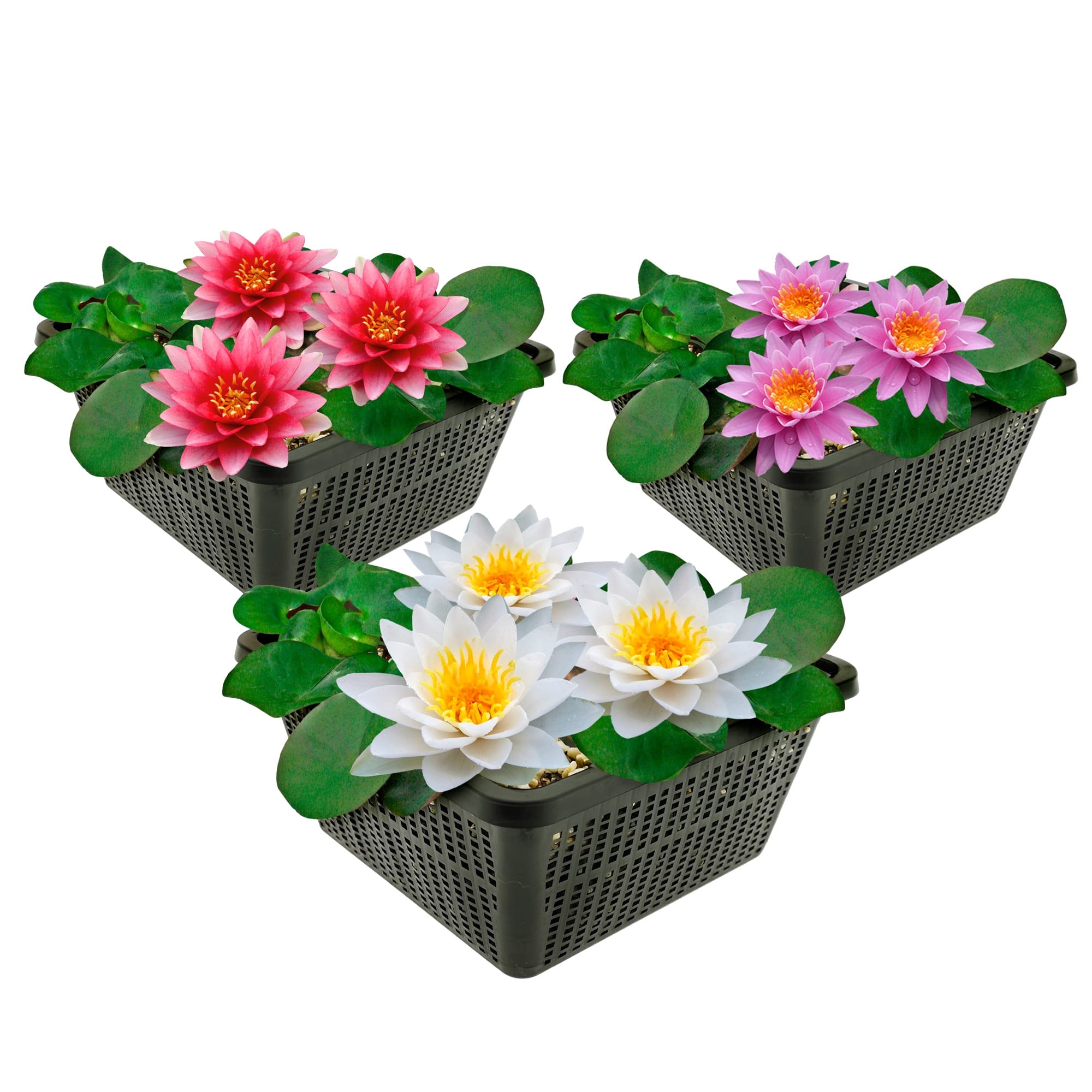
Water lilies
Provide shade, keeping the water cool and thus clear.
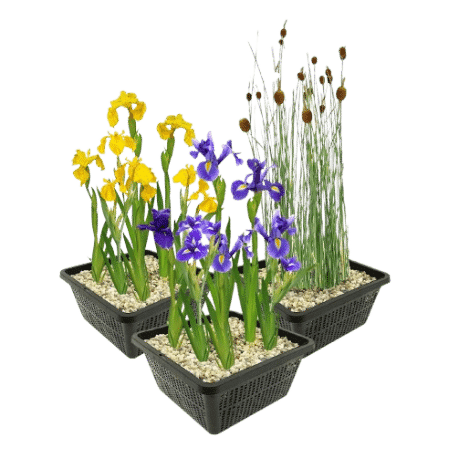
-Marsh plants
Absorb excess nutrients, thereby purifying the water.
-Beneficial bacteria
Break down waste and sludge, keeping the water naturally clear.
View the step-by-step guide for a pond without a pump
You can prevent algae by setting up your pond naturally from the start. Place a 10-cm layer of porous substrate on the bottom. This allows plants to root firmly and provides a place for beneficial bacteria to attach themselves. Also, place plenty of oxygenating plants (loose and in baskets) in the pond: they remove nutrients, combat floating algae and thread algae, and prevent algae from returning.
To keep the water clear, add BACTA CLEAR INSTA CLEAN 2 to 3 times a year. These loosen bottom sludge and remove floating debris, so your pond stays clear without a pump or filter.
Read more about controlling algae
Yes, in almost all cases you Pond substrate . You sometimes hear—often from pond expert Ada Hofman—that substrate isn’t necessary. That’s only true for true natural ponds that already have a natural bottom, such as ponds or pools located directly in nature.
With a garden pond that you build yourself, the situation is very different. It always has a bottom made of pond liner or a plastic Pond tub. Without substrate, plants cannot root properly there, and beneficial bacteria have nowhere to attach themselves. The result: plants slowly die off, bacteria disappear, and the pond becomes completely unbalanced.
With a layer of about 10 cm of porous Pond substrate, you give plants a solid foundation to root in and provide bacteria with the right environment to attach themselves. Only then can your pond naturally maintain its balance and remain clear.
View Pond substrate
Pond bacteria essential for a healthy and clear pond. They break down organic waste, such as plant debris, fallen leaves, and fish waste. This waste sinks to the bottom and forms a layer of sludge. If left undisturbed, it creates an ideal food source for algae.
Our BACTA CLEAR consists of two specially selected bacterial strains, developed in the laboratory based on our own concept. These bacteria loosen the bottom sludge and remove floating debris, keeping your pond clean and preventing algae from taking hold.
View Pond bacteria
It’s not so much about a single specific plant, but rather the right combination of different plant groups. Only together can they ensure a healthy, clear pond. Important groups include:
-Marsh plants: absorb nutrients and purify the water.
Aquatic plants: contribute to filtration and natural balance.
Water lilies: provide shade and reduce algae growth.
-Oxygenating plants: (loose and in baskets) – combat floating algae and thread algae and prevent them from returning.
View the complete 6-step plan for your pond
Absolutely! Our advice always centers on creating a natural pond: a pond that stays clear and healthy thanks to the right plants, substrate, and bacteria, without relying on technology or a lot of maintenance. With the right design, you can ensure that your pond maintains its own balance.
Start your Clear Water Plan
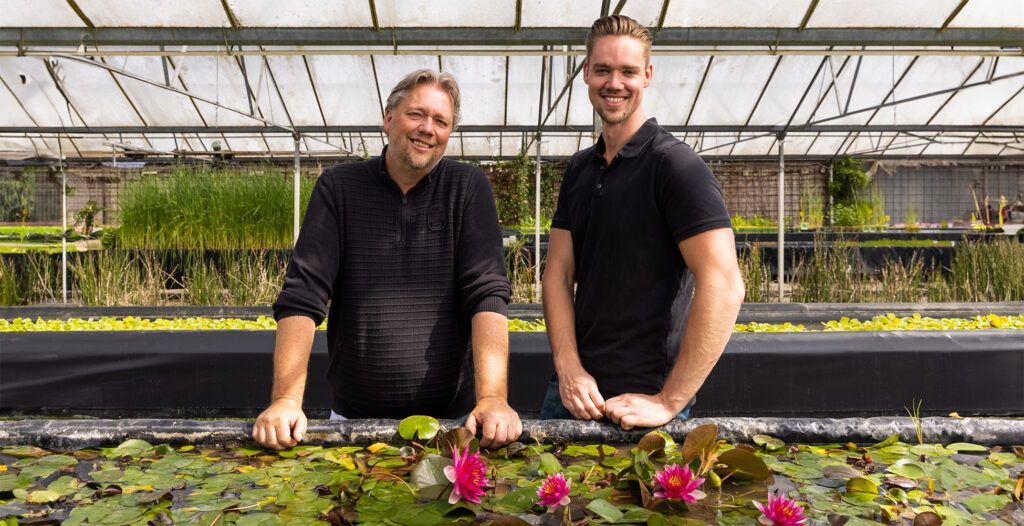
About vdvelde.com
At vdvelde.com, we believe that nature is the best filtration system there is. At our family-run nursery in Bleiswijk, we grow strong, eco-friendly plants that purify the water and control algae. With over 35 years of experience, we know exactly what works in every pond. Simon and Chris van der Velde share a single mission: to help everyone experience how easy it is to have a healthy pond—one that’s natural and low-maintenance.
Organic aquatic plant nursery and online pond supply store
vdvelde.com is the online pond store, born out of our own organic aquatic plant nursery for anyone who chooses a natural pond. Since 1986, we have been growing Aquatic plants and helping pond enthusiasts achieve clear water without a pump or filter. Here you’ll find everything you need for a healthy, balanced pond, from pond plants and pond kits to Pond substrate, plant filters, and Pond bacteria. Our products work together according to the proven 6-step plan for clear water. This way, you can easily bring your pond into natural balance, without technology or chemicals.